Enabling Low-Carbon Energy Projects for Investment
A final report has been developed to help local governments and community borrowers overcome barriers to the low-carbon energy transition.

A final report has been developed to help local governments and community borrowers overcome barriers to the low-carbon energy transition.
Communities in Canada are increasingly developing local, low-carbon energy projects, but many face road-blocks with regards to financing. Simultaneously, Canadian investors are seeking low-carbon investments, but are challenged to find local opportunities at scale for investment. The Enabling Low Carbon Energy Projects for Investment (ELCEPI) research project aims to offer recommendations and solutions to close these financing gaps, while connecting the barriers and enablers for investment to larger socio-economic issues.

Woodstock was the first incorporated town in New Brunswick on May 1, 1856 and boasts some of the finest 19th Century Victorian heritage homes, churches and civic buildings.
On January 1, 2023, the village changed its name to the Village of Southern Victoria as a result of Local Governance Reform. The Village is located in Victoria County, in western New Brunswick and is in close proximity to Tobique First Nation. The community is located in close proximity to the Trans Canada Highway, which has allowed it to develop an Industrial Park. It is also just 10 km from the US border.
The New Brunswick & Prince Edward Island Municipal Working Group is a resource for municipalities engaged in community energy and emissions planning, partnership-building and Smart Energy projects to share their experiences, lessons learned and transfer knowledge about best practices.
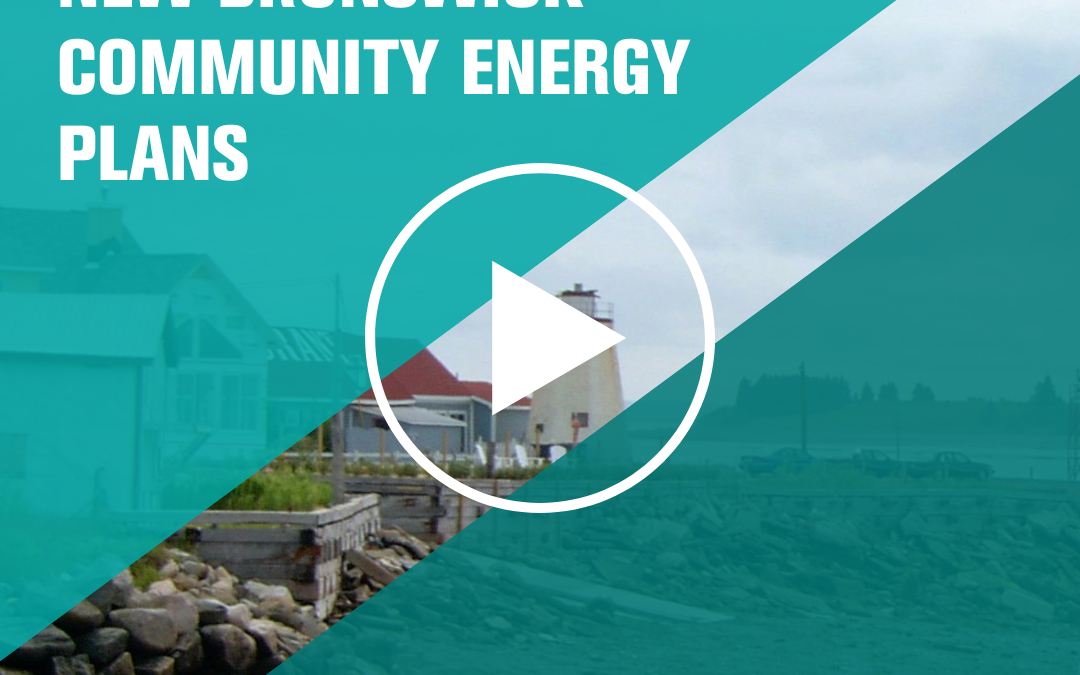
In our June 2023 working group meeting, Rob Kerr, Senior Associate at QUEST Canada, provided an overview of the recently released report, “Economic Impact of New Brunswick Community Energy Plans”.
The NB SECA Pilot Program successfully established a community energy planning accelerator to assist a series of New Brunswick communities and one First Nation, equipping them with the tools and knowledge to develop and implement community energy plans and understand the net economic benefit they can provide.