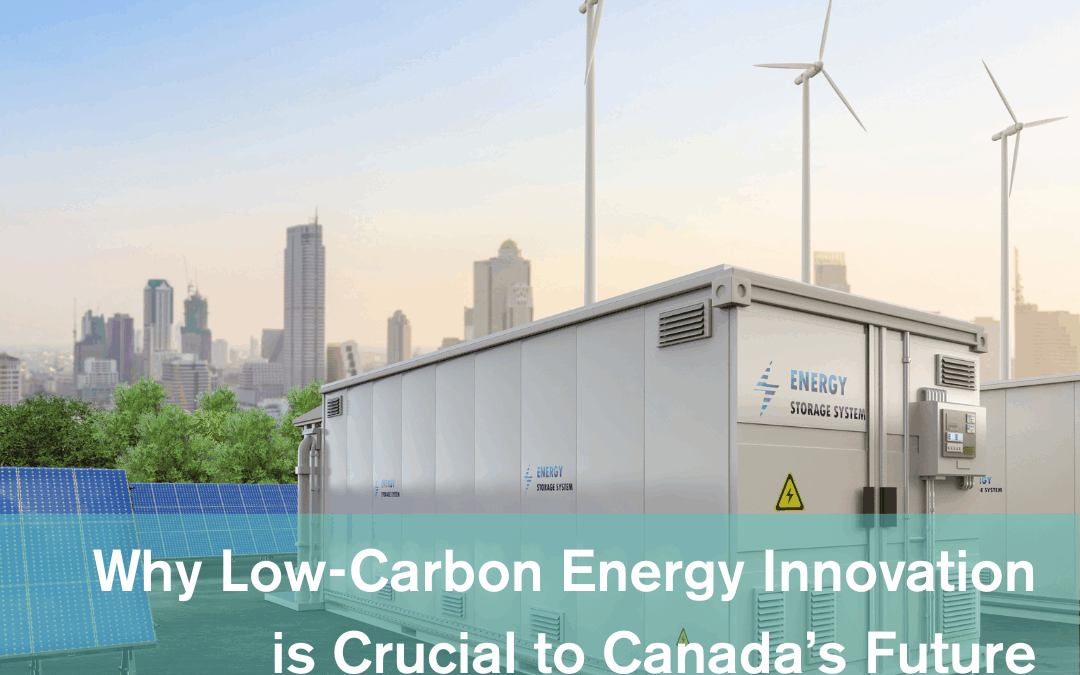
Why Low-Carbon Energy Innovation is Crucial to Canada’s Future
Richard Carlson, Director, Energy, on the Pullution Probe team, writes, “Innovation is not optional. It must become the engine of cost-effective, future-ready net-zero energy systems.”

Richard Carlson, Director, Energy, on the Pullution Probe team, writes, “Innovation is not optional. It must become the engine of cost-effective, future-ready net-zero energy systems.”
Tonja Leach, Executive Director at QUEST Canada, writes, “Community energy solutions, coupled with integrated resource planning, offer a pathway toward building more resilient, cleaner energy systems—today.”

By providing them with the tools, knowledge, and partnerships necessary to develop and manage their own renewable energy projects, they can envision a future where Indigenous communities are leaders in the renewable energy sector, achieving energy sovereignty, economic prosperity, and environmental sustainability.

When people imagine a net-zero energy future, they often only think of urban centres. But with 1 in 5 Canadians living in a rural community, today’s urban-centric energy transition leaves large swaths of Canada, and Canadians, out of the equation. “If we want to ensure a just energy transition,” writes Gemma Pinchin, “this won’t do.”

Tonja Leach, Executive Director at QUEST Canada, hadn’t thought about healthcare’s similarities to energy before, and finds it fascinating what we can learn and apply from other sectors of our economy when we choose to investigate them.